Fentanyl Decontamination
Fentanyl decontamination of surfaces, vehicles and rooms after exposure.
See fentanyl decontaminationGet meth residue testing, decontamination, material removal and clearance steps for a home, rental, business or vehicle in Graham. Keep people out of affected areas until the property has been assessed.
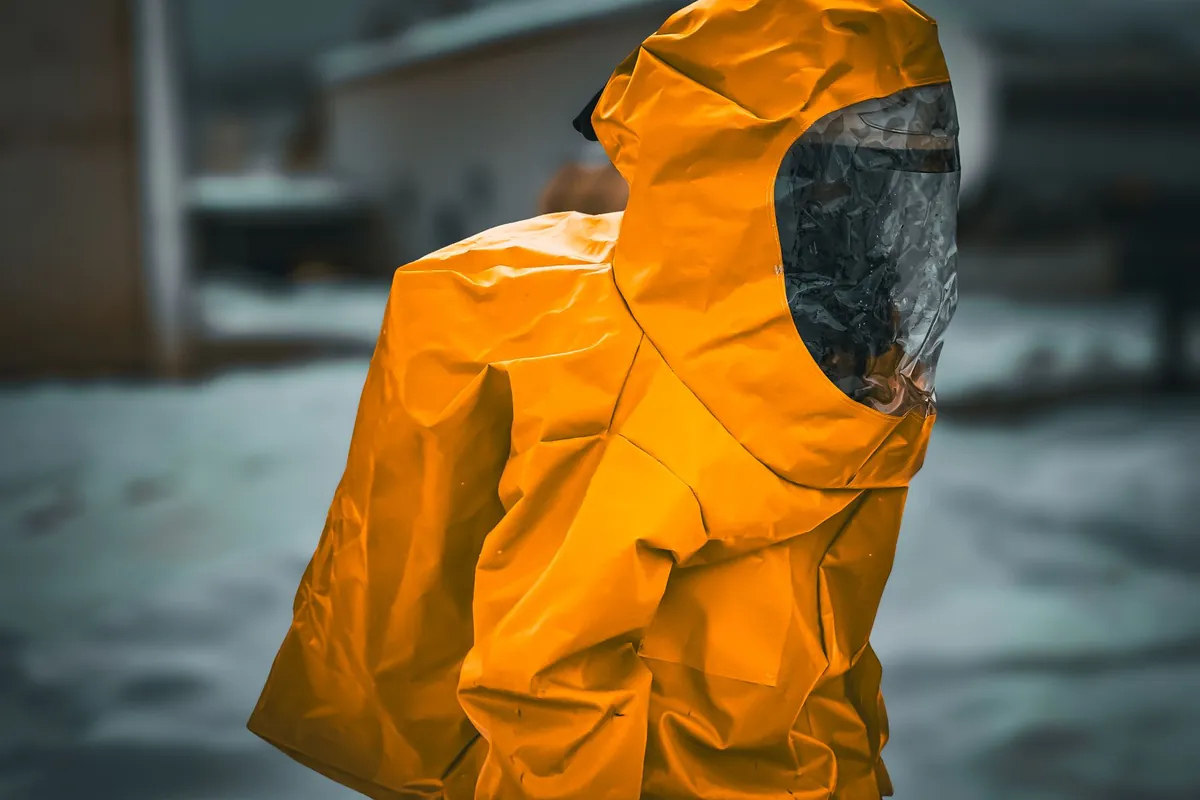
Meth lab cleanup involves testing a contaminated home, vehicle, rental or business, taking out affected materials and cleaning residue from methamphetamine or chemicals used to produce drugs.
A clean appearance does not rule out contamination. Smoke produced by meth use can leave residue on floors, personal property, cabinets, walls, appliances and ceilings. Acids, fuels, unknown chemical mixtures, salts and solvents can be found at a production location. A careful assessment of these hazards must happen before ordinary cleaning starts or anyone shifts a container.
Local property rules and test results set the course for the biohazard remediation work. With protective equipment in place, cleanup technicians separate contaminated areas from clean ones. They take out materials that resist cleaning and wash what remains. When necessary, they also address the air system. Afterward, samples establish whether each tested area reaches the relevant clearance level.
Your cleaning service should organize photographs, work notes, waste paperwork and sampling reports into a clear file so you can move forward after clearance.
Before remediation, you should receive a written plan covering clearance steps, cleaning methods, affected areas, removal decisions and the basis for testing.
Separated work areas and unaffected travel routes help prevent contaminated materials, equipment and dust from moving around your property.
An item-by-item assessment of materials and physical condition identifies belongings that might be cleaned and those that may need discarding.
Meth decontamination cleaning services become necessary when reliable history or test results point to residue from production or use. Both the testing findings and the property's background are the starting point in every case. Common examples are:
A car, recreational vehicle or truck may have contamination across its seating, flooring, interior trim and ventilation surfaces.
A property used to produce meth may retain chemical substances, staining and residue across several rooms after its release by law enforcement.
A landlord or manager who learns of possible drug activity after a renter leaves needs testing ahead of repairs or another tenancy.
After meth use is suspected, assess the unit or room under controlled conditions and inspect surrounding areas if evidence indicates a need.
Your first job is to prevent exposure and keep residue from moving. Take these steps before professional cleanup begins:
Call (888) 440-9227PushLeads lists light meth use contamination at $5,000 to $10,000 and moderate contamination at $10,000 to $25,000 per job. Large or heavily contaminated sites can reach $120,000 per job. Testing for a multi-room property is listed separately at $1,500 to $3,500 per job. These are published planning ranges, not a quote.
These ranges come from published national cost guides, not from a site visit. An on-site assessment determines your property's price, which is explained to you before the cleanup starts.
Ask about cost: (888) 440-9227Whether insurance covers meth contamination varies with policy terms and the cause. A policy might exclude criminal acts, pollution, contamination or vacancy. Report the finding without delay and ask about any insurance assistance. Get a written decision on coverage before non-emergency work is authorized.
Property owners will usually arrange assessment and decontamination at a rental. Any attempt to recover costs from a tenant is separate from making the property safe.
Securing evidence and clearing the property may fall to law enforcement, but arranging subsequent testing and decontamination generally falls to the owner.
Store the police release, lab findings, photos, remediation scope, disposal documents, invoices and clearance report in one place.
Tell the insurance company how the contamination was discovered. Ask the insurer if benefits apply to tests, decontamination, material removal and loss of use.
Meth lab cleaning proceeds through a deliberate series of stages. The assessment and testing plan for the property guide every stage, along with the clearance requirements in effect at its location.
Cleanup technicians begin by assessing the property's past, its police release, any hazards in sight, the room layout, the ventilation and how contamination may have spread.
A baseline and the affected areas can be established through surface sampling. The relevant local procedure should guide where and how samples are collected.
The written scope identifies containment, materials to remove, surfaces to clean, the treatment of contents and the final clearance steps.
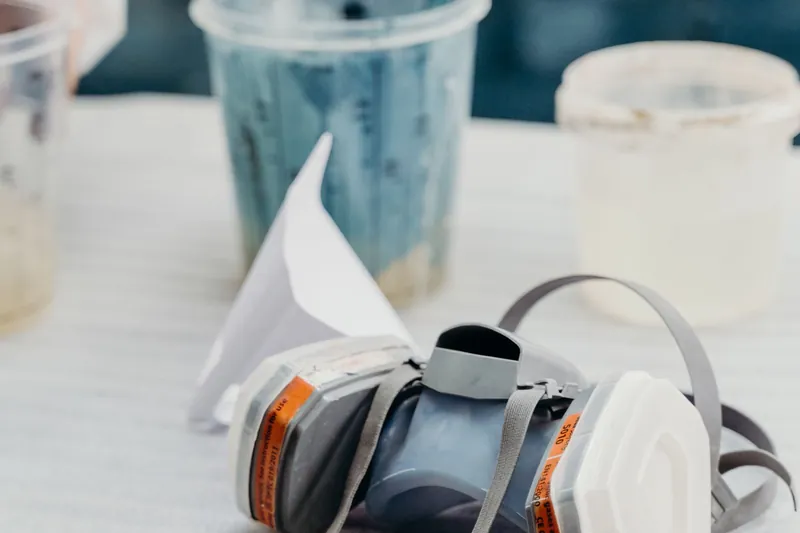
The affected workspace is contained away from clean areas. Cleanup technicians use protective gear suited to the residue, dust and chemical hazards found on site.
Carpet, pad, soft furnishings, insulation or damaged building materials may be removed and prepared for waste disposal when they cannot be cleaned to the required level.
The surfaces left in place, including fixtures, cabinets, flooring, walls and ceilings, receive appropriate cleaning in a planned order.
Separate assessments cover portable possessions and building ventilation. Depending on test evidence and physical state, contents may be decontaminated, set apart or thrown away.
When the cleaned area is prepared for testing, clearance samples establish whether additional work must occur ahead of reoccupation.
Call any hour. A meth lab cleanup specialist answers, explains the steps and agrees a start time with you.
A former meth property can present serious health risks through contaminated dust, direct skin contact or chemicals left behind from production, even when no strong odor is present.
Unidentified containers and substances may be reactive, capable of catching fire or corrosive. Keep them closed, never smell or mix them, and keep them out of ordinary trash.
Contamination may collect on flooring, counters, toys, walls and other items people touch often. You cannot determine clearance compliance from a surface's appearance alone.
Animals and children regularly make contact with flooring and objects. Keeping them out of the affected area reduces contact while testing and cleanup are pending.
Can you clean it yourself? Do not treat suspected meth contamination as a small household spill. Ordinary cleaning supplies do not reveal how widely residue spread or prove compliance with local clearance requirements. A meth-focused cleanup plan and proper testing offer safer first steps.
A limited-area meth lab cleanup may require several workdays, while remediation at a larger production location can last several weeks. Room count alone does not set the timing. Clearance sampling, laboratory turnaround, repeated rounds of cleaning and material removal have greater influence.
| Scene | Typical time on site |
|---|---|
| Restricted residue affecting little space | Often several workdays, plus laboratory time |
| Several rooms or HVAC involvement | Often one to several weeks |
| Former production site with chemical damage | Could require several weeks plus multiple clearance rounds |
You cannot rely on odor to test for meth. Surface contamination may exist when almost no smell is noticeable. Although a sharp chemical odor is a warning to leave, do not go inside to investigate it, and never try masking it with fragrance.
Odor removal and air quality work begin with source control. Production chemicals, contaminated porous materials and settled dust must be addressed before air cleaning can help. The assessment may include the HVAC system, filters, ducts and connected rooms. Clearance decisions should rely on the required sampling, not on whether the space smells clean.
Your applicable regulations and clearance level depend on the state and locality. Before starting remediation, check the applicable standard with the relevant health, building or environmental authority.
A local protocol might set requirements for sampling design, laboratory analysis and final clearance reports. Retain documentation in case renters, purchasers, property owners or authorities ask for it.
Household waste is not automatically appropriate for contaminated rubble and chemicals of unknown origin. The materials discovered and local requirements determine waste categories and disposal methods.
Any infectious debris or needles present with drug items must be managed separately. Washington's biomedical waste law covers human blood and blood products. The Utilities and Transportation Commission oversees companies that haul it, and local health departments set handling rules, so it should not go in household trash.
The full meth lab cleanup guide covers what is cleaned or removed, odor and air quality work, and the rules that apply in Washington and Pierce County.
Read the full meth lab cleanup guide
Local housing, population and access details can shape containment, access and cleanup planning.
In an area with 17.8% renter occupancy, direct homeowner approval can simplify choices about opening walls or replacing affected finishes.
Local housing has a median build year of 1999, so cleanup should protect intact finishes while removing materials that cannot be disinfected.
The local senior population includes 544 people living alone, and any cleanup in a home like theirs calls for discreet, respectful planning.
Detached and single-family properties account for 84.1% locally, so exterior access and safe waste movement should be planned early.
Ask on the call about cleanup options for neighboring communities and ZIP codes.
Fentanyl decontamination of surfaces, vehicles and rooms after exposure.
See fentanyl decontamination
Cleanup removes drug residue, pipes and discarded needles from rentals and other properties.
See drug paraphernalia cleanup
Grow house cleanup removes chemicals, mold and property damage left by indoor cultivation.
See marijuana grow house cleanup
Protective equipment suited to hazardous materials is used during hazmat cleanup.
See hazmat cleanup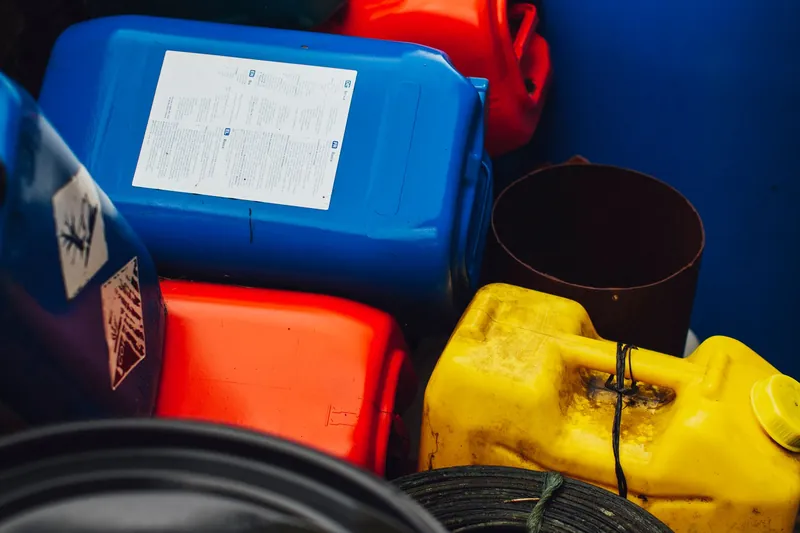
Safe disposal is included with chemical and toxic waste cleanup.
See chemical and toxic waste cleanup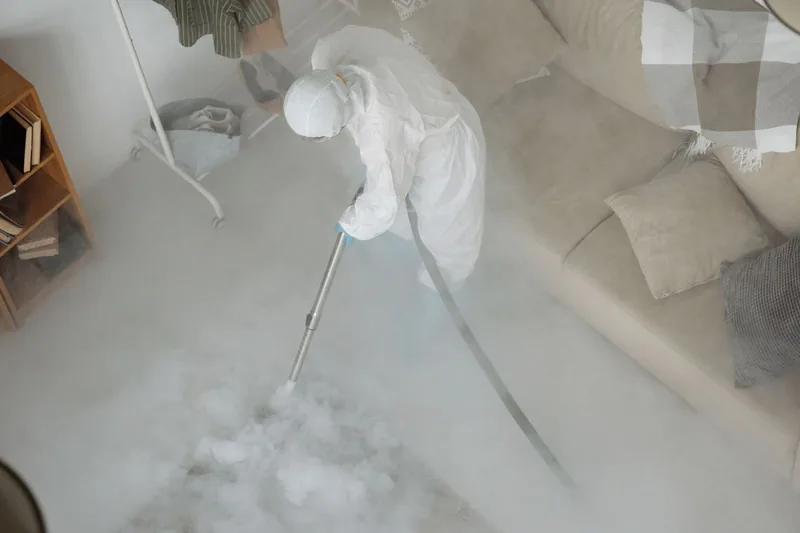
After exposure to infectious or hazardous material, the air, room and surfaces are fully decontaminated.
See biohazard decontamination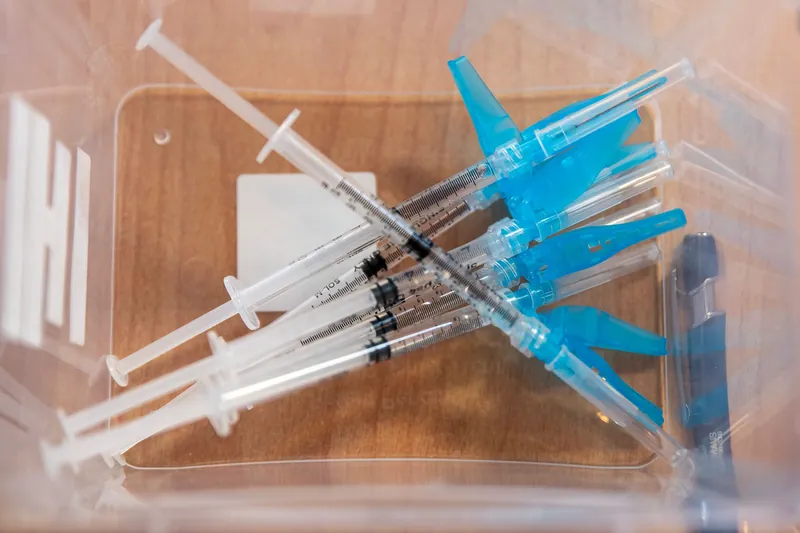
Needles and other sharps are removed from rentals, yards, encampments and parks.
See needle and sharps cleanup
Biohazard cleanup addresses Airbnb accommodations, hotels and other rental units.
See hotel, Airbnb and rental biohazard cleanupA light case runs $5,000 to $10,000 according to PushLeads and a moderate case runs $10,000 to $25,000 with large sites reaching $120,000 in total. Your price reflects the number of cleanup or clearance rounds, plus testing, material removal, HVAC contamination, property size and smoking versus production.
Drug-making chemicals can sometimes create a harsh smell like solvent, although scent by itself cannot establish residue or clearance. A property can have contamination without a noticeable smell. When powerful chemical smells are present, exit without contacting containers and rely on surface sampling with the relevant standard.
A controlled remediation process addresses a meth lab property affected by meth residue or manufacturing chemicals. Under applicable property rules, cleanup involves assessment, surface sampling, containment, removal of uncleanable materials, treatment of retained surfaces and post-remediation clearance testing.
You should not judge readiness from how the building looks and smells. The governing local rule and written advice of the appropriate environmental or public agency should determine when reoccupation occurs. Final samples objectively indicate if the property requires another cleaning cycle.
Whether coverage applies varies with your policy, the cause and exclusions involving contamination, pollution, vacancy or illegal acts. When you notify the insurance company, explain how the issue came to light and check whether coverage applies to remediation, testing, temporary housing, clearance sampling and removed materials.
Assess every item by its material, condition, value and contamination level. Cleaning may be possible for certain solid, washable items. Books, soft furnishings, carpets and similar absorbent materials may be difficult to decontaminate. The documented plan needs to state whether each item will be tested, isolated, decontaminated or thrown away.
Crews carry out respectful, discreet meth lab cleanup, arrive in unmarked vehicles and take calls 24 hours a day.